










How Long Do Golf Clubs Last: A Complete Guide to Club Lifespan and Maintenance
Posted by Tayte Andruss on Dec 15th 2025
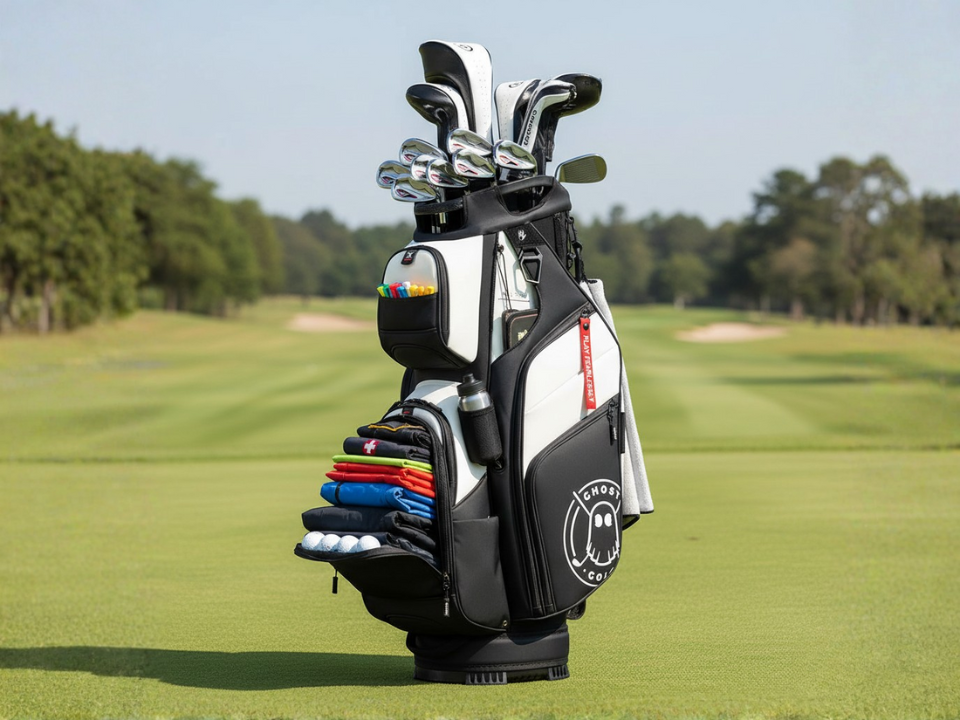
When it comes to golfing, there’s one question many players eventually all ask: How long do golf clubs last? Whether you’re a casual weekend player or a seasoned pro, understanding the lifespan of your golf clubs can help you make better decisions about maintenance, upgrades, and replacements. Golf clubs are a significant investment, and like any investment, you want them to serve you for as long as possible. In this guide, we’ll walk you through the typical lifespan of each type of club, factors that affect their durability, and tips to extend their lifespan. If you ever need expert advice or want to explore new equipment, visiting a trusted golf store can also help you make informed decisions.
Average Lifespan of Each Type of Golf Club
Golf clubs do not wear out at the same pace. Some, like drivers, experience more wear and tear, while others, like putters, last much longer. Now, let's break it down: just how long does each type of golf club generally last, considering aspects of use and maintenance?
Driver and Woods
Drivers and woods are those that usually display wear first. With frequent use, especially from hitting off the tee or at the driving range, Golf Drivers generally last about 3 to 5 years. The clubface and shaft, in particular, endure the most damage over time, and it’s common for golfers to notice a decrease in performance as their clubs age. If you’re a competitive player who often practices, it’s likely that you’ll need to replace your driver sooner than a casual golfer would.
Irons
Irons tend to have a longer lifespan compared to drivers. A good set of Golf Irons can last from 7 to 10 years, considering that they are maintained properly. Over time, however, you may notice the grooves on the clubhead wearing down, and the overall feel may become less responsive. If you're noticing that your ball control isn’t quite the same, or if your clubs start to feel “dead,” it may be time to replace them.
Wedges
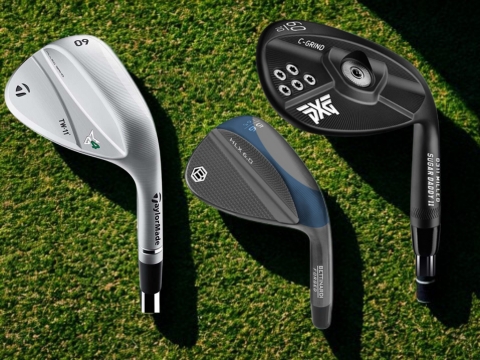
Wedges take the hardest hits in your bag because of their frequent use around the green and their constant interaction with turf and sand. As a result, Golf Wedges tend to wear out much faster than other clubs. On average, wedges last between 1 and 3 years for players who are consistently on the course. The grooves on the clubhead are vital for spin control, so when they wear down, it becomes much harder to control the ball effectively around the greens.
Putters
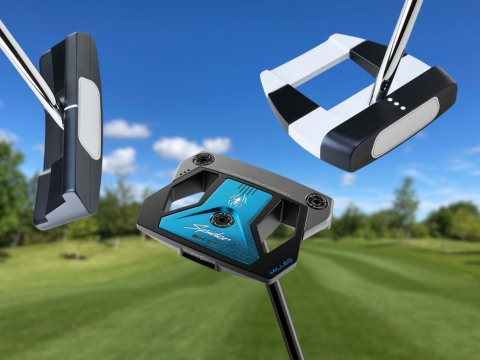
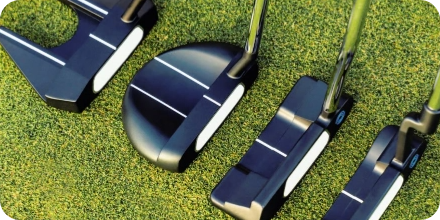
Putters have the longest lifespan of any club in your bag. Because they don’t experience the same level of impact as drivers or wedges, Golf Putters can last well over a decade, sometimes even 15 or 20 years, depending on the quality and how well they are maintained. Many golfers find that once they find a putter they like, they stick with it for years unless they’re looking to try a new feel or design.
How Usage Affects Club Longevity
One of the biggest factors in how long your golf clubs last is how often you use them. The more you play, the quicker your clubs will wear out, particularly the wedges, irons, and drivers. For example, a casual weekend golfer who plays once or twice a month may find that their clubs last 7+ years. However, a competitive golfer who plays several times a week might notice performance drops in as little as 2 to 4 years.
If you play regularly, you should be prepared for the possibility of needing new clubs sooner than someone who plays infrequently.
Key Factors That Affect Durability
Several external factors affect how long your clubs will last, beyond just the number of rounds you play. Let’s take a look at some of the key elements that can influence the lifespan of your clubs.
Club Materials
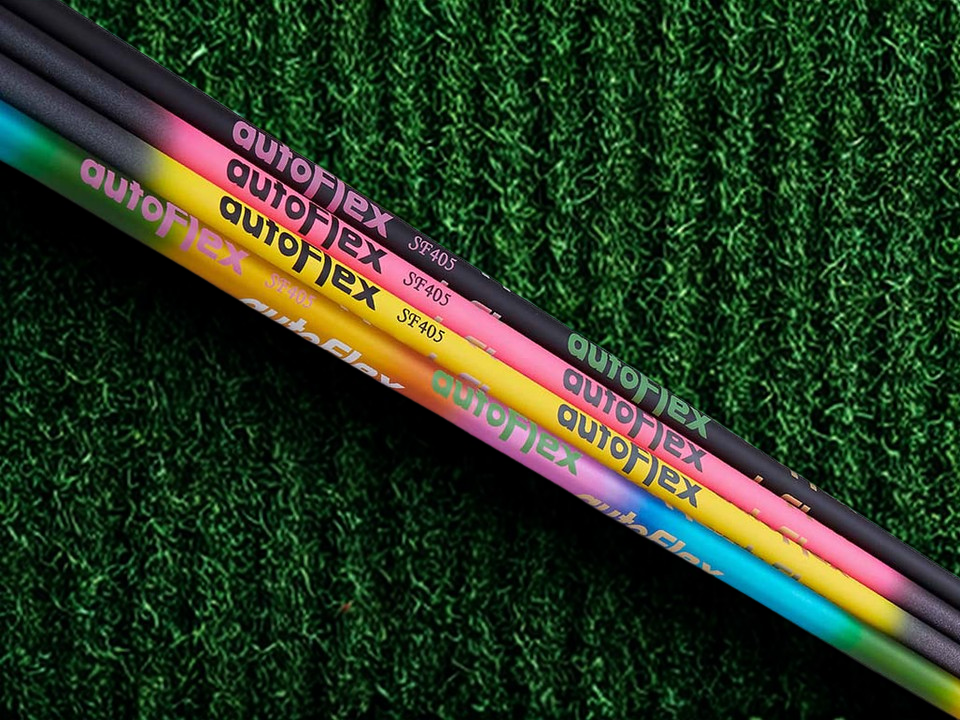
The materials used in the construction of your clubs can impact their durability. For example, steel golf shafts tend to be more durable than graphite shafts. Graphite shafts are known for being lighter and offering more flex, which makes them a great choice for beginners or golfers with slower swing speeds. However, they can be prone to cracking as time goes on. Forged clubheads tend to provide a better feel, but they may wear out faster than cast clubheads, which are generally more durable.
Storage Conditions
How you store your clubs can have a significant impact on their lifespan. If you’re leaving your clubs in a hot car trunk or in a damp garage, you’re increasing the likelihood of rust or damage. To preserve your golf clubs, it’s essential to store them in a dry, cool place, preferably indoors. Storing your clubs in a climate-controlled space helps shield them from weather-related damage and extends their overall lifespan.
Playing Environment
The course conditions can also play a role in how long your clubs last. Sandy conditions or rough terrains can wear down your grooves faster, especially on your wedges. Additionally, hitting off of mats at the driving range instead of natural grass can lead to faster wear on your clubheads and shafts.
Build Quality
Golf clubs don’t all hold up the same way over time. Higher-quality clubs tend to last longer than lower-quality options. Investing in well-built equipment, especially from trusted manufacturers, can help extend the life of your clubs. While it’s tempting to go for budget options, solidly constructed clubs tend to provide better performance and longevity in the long run.
Common Signs Your Golf Clubs Are Wearing Out
Even with proper care, your golf clubs won’t last forever. Watch for these important signs that suggest your clubs might be due for a replacement.
- Wedges: If the grooves start to wear down or feel smooth and you’re struggling to get spin on your shots around the green, it’s likely time for new ones.
- Driver: Loss of distance, visible cracks, or dents in the clubhead, or inconsistent ball flight are signs that your driver may need replacing.
- Irons: If your clubs feel “dead,” or you see visible rust or the grooves on the clubhead are worn, it’s time to look for new irons.
- Shafts: Small fractures in the shaft or instability during your swing signal that the shaft is no longer performing well.
- Grips: If the grips feel slick or worn down, it’s time for a regrip, or potentially, new clubs if the overall wear is severe.
If you notice your performance declining even after tweaking your technique, it might be worth evaluating whether your clubs are causing the issue.
Steel vs. Graphite Shafts and Clubhead Materials
When it comes to golf club shafts, the main materials are steel and graphite. Steel shafts offer strength and better control, which is great for golfers who value consistency and precision, though they can put more strain on the joints. Graphite shafts, meanwhile, are lighter and work well for players with slower swing speeds, but they tend to be more vulnerable to wear and damage.
When it comes to clubheads, forged heads offer a softer feel but wear more quickly compared to cast heads, which are more durable. Many drivers these days use composite materials such as carbon fiber and titanium, which offer the best of both worlds: strength and lightness.
Tips to Extend the Life of Your Golf Clubs
Proper maintenance can go a long way in helping your golf clubs last longer. Here are some simple yet effective tips:
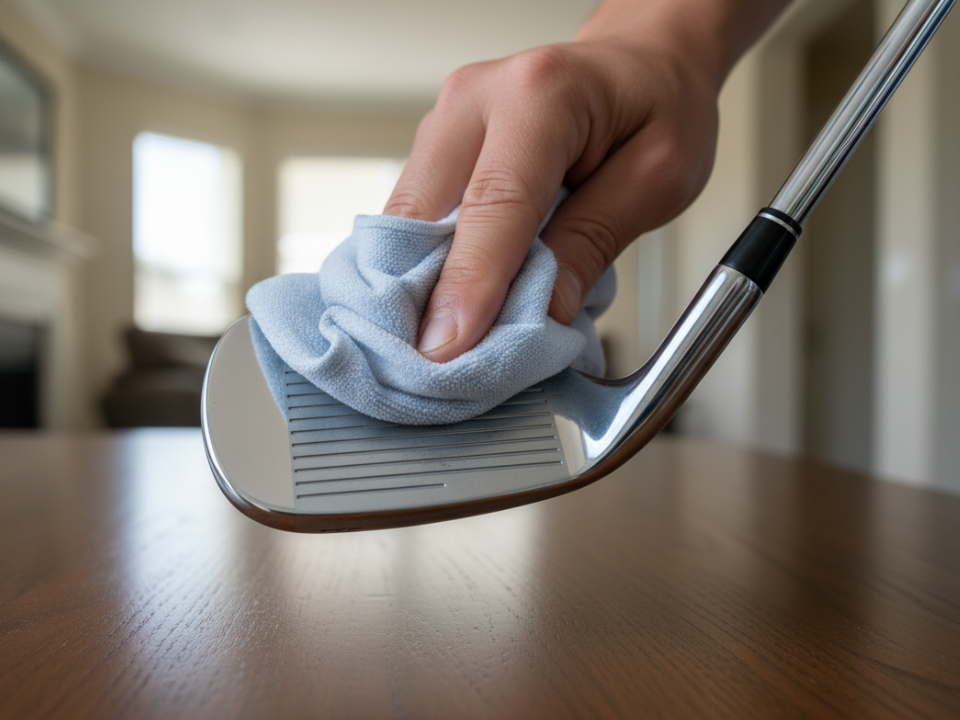
- Clean your clubs after each round by brushing the grooves with a soft brush and wiping down the clubhead and shaft.
- Replace your grips every 12–18 months, or after about 40–50 rounds, to keep a solid feel in your hands.
- Store your clubs in a cool, dry area, and avoid leaving them in your car or any place with excess moisture.
- Use headcovers on your woods and putters to protect them from scratches and dents.
- Check your clubs regularly for signs of wear. Catching issues early can help you avoid bigger problems down the line.
When Should You Replace Each Type of Club?
Here’s a rough guide to when you should replace each type of golf club:
- Driver: Every 3 to 5 years, or when you notice a drop in distance or consistency.
- Fairway Woods /Hybrids: Every 5 to 7 years.
- Irons: Every 7 to 10 years or when grooves wear out.
- Wedges: Every 2 to 3 years for regular players.
- Putters: 10–20 years, unless you notice a drop in feel or alignment issues.
If you’re struggling with your game, and you’ve ruled out technique, it could be time to consider upgrading your clubs.
Should You Rent or Replace?
Replacing your golf clubs every few years can be costly, but renting clubs offers a flexible and cost-effective solution for occasional players, travelers, or beginners. Renting lets you play with modern equipment without committing to a full set of clubs. It also gives you the chance to try out newer technology before committing to a full purchase.
Is It Worth Refurbishing Old Golf Clubs?
In some cases, refurbishing your current clubs can be a smart move. A fresh grip or a new shaft can restore their feel and performance without replacing the entire set. Professional services can also clean, polish, and check the loft and lie angles, ensuring your clubs are in top condition.
Summing Up
Golf clubs are a long-term investment, and with the right care, they can stay in great shape for years. Whether you’re looking to extend the life of your current clubs or considering an upgrade, it’s essential to understand the factors that influence durability and when it’s time for a replacement.
At Embers Golf, we provide a wide selection of premium clubs suited for everyone from beginners to experienced players. Look after your equipment, and it will continue to support your game.
Frequently Asked Questions
How Long Do Golf Clubs Last On Average?
Most golf clubs last between 3 and 10 years, depending on how frequently you play and how well you maintain them. Drivers and wedges tend to wear out sooner than irons and putters.
How Long Do Golf Irons Last Before Replacement?
A good set of golf irons can last anywhere from 7 to 10 years if properly maintained. However, frequent golfers may need replacements sooner due to groove wear and loss of control.
How Long Do Golf Drivers Last?
Golf drivers typically last 3 to 5 years. Regular use, especially at driving ranges, can cause the face or shaft to weaken over time, leading to reduced distance and accuracy.
What Signs Show That Golf Clubs Are Wearing Out?
Look for reduced distance, worn grooves, rust, dents, cracks, and slick grips. These are clear indicators that your clubs may need repair or replacement.
How Long Are Golf Clubs Good For If Rarely Used?
If stored properly and only used occasionally, golf clubs can remain in great condition for 10 years or more, as long as they’re protected from rust and temperature changes.
Where Can I Get Quality Golf Clubs And Accessories?
You can find premium golf clubs, accessories, and expert advice at Embers Golf, your trusted golf store for reliable gear and maintenance guidance.
If you have any questions about Golf Clubs, the team at Embers Golf is always here to help. You can reach us at 303-800-5659 or email info@embersgolf.com, and our knowledgeable staff will happily offer personalized guidance. For more expert tips, gear recommendations, and golf accessory insights, be sure to explore our blog, your go-to source for advice straight from our golf specialists.