













How to Fly with Golf Clubs: Tips for a Stress-Free Trip
Posted by Tayte Andruss on Mar 2nd 2026
Flying with golf clubs doesn’t have to be stressful, but it requires a little preparation. Whether you’re a frequent flyer or a first-time traveler, knowing how to fly with golf clubs can save you a lot of headaches. From packing strategies to understanding airline policies, we’ve got you covered so you can travel smoothly and enjoy your game when you arrive.
Planning ahead is crucial. You want to avoid costly mistakes, lost luggage, and unnecessary stress at the airport. In this guide, we’ll break down the best practices for flying with your golf clubs, give you the lowdown on airline rules and fees, and share some pro tips to make your journey as seamless as possible. So let’s dive in!
TSA Guidelines and Security Measures for Traveling with Golf Equipment
One of the most important aspects of how to fly with golf clubs is understanding TSA security protocols. When traveling with golf clubs, they cannot be packed in your carry-on luggage due to security restrictions, as they are considered potential weapons. This means your golf clubs will need to be checked in as part of your regular luggage.
While TSA regulations are pretty standard, there are a few things to keep in mind before heading to the airport. First, make sure your golf bag is packed securely. TSA agents will likely inspect your checked luggage, so it’s crucial to ensure that your clubs and other items inside the bag are properly packed to avoid delays.
TSA Packing Tips:
- Remove Prohibited Items: Ensure there are no prohibited items in your golf bag, such as knives or large tools, which could lead to confiscation.
- Sturdy Travel Bag: Pack your golf clubs in a sturdy, padded travel bag to protect them during screening.
- Check Bag Size: Your golf bag should not exceed 115 inches in total dimensions (length + width + height combined) to meet TSA’s size requirements.
- Arrive Early: It’s always a good idea to arrive early at the airport to allow extra time for security checks.
Following these steps will help guarantee your golf equipment moves through TSA without any problems. And remember, you can still pack your golf balls, tees, gloves, and one pair of golf shoes in the bag as long as they fit within the airline’s guidelines.
Airline Rules and Additional Fees for Golf Clubs
Once you’ve successfully passed through TSA, the next challenge is dealing with how much it costs to fly with golf clubs. Airlines often charge an additional fee for checking golf bags, which can vary depending on the airline, your flight route, and your baggage’s weight. Understanding the fees ahead of time will allow you to plan accordingly and avoid unexpected costs at the check-in counter.
Most major airlines allow golf bags as checked luggage, and the fees typically range from $30 to $60 for bags weighing under 50 pounds. If your golf bag weighs more than the allowed limit, additional charges may apply. For example, bags between 51 and 70 pounds can incur a fee of $100 or more. In general, keeping your bag under 50 pounds is the best way to avoid hefty charges.
Here are some general guidelines on how much it costs to fly with golf clubs on major airlines:
- Delta Airlines: A golf bag weighing up to 50 pounds can be checked for $30 (each way). Bags weighing over 50 pounds will incur additional charges.
- American Airlines: Similar to Delta, American charges $30 for golf bags under 50 pounds, and any bags above that weight will be subject to additional fees.
- United Airlines: United includes your golf clubs in your checked baggage allowance. If you have multiple bags, the golf bag will count toward your total luggage weight limit.
Booking Tips:
Booking your golf bag in advance, whether online or at the time of ticket purchase, can often help you save money compared to booking at the airport. This small step can prevent additional fees and ensure you don’t face unexpected costs when you check in.
Best Practices for Packing Golf Clubs When Flying
Packing your golf clubs correctly is one of the most important aspects of flying with them. You want to ensure that your clubs arrive at your destination safely, without any damage. Let’s explore how to fly with your golf clubs by focusing on the best packing practices.
Step 1: Use a Hard-Shell Travel Case
When packing golf clubs for a flight, it’s highly recommended to use a hard-shell travel case. This provides extra protection against rough handling during loading and unloading. Hard cases are particularly beneficial for shielding delicate club heads from damage.
Step 2: Wrap Club Heads with Towels or Cloth
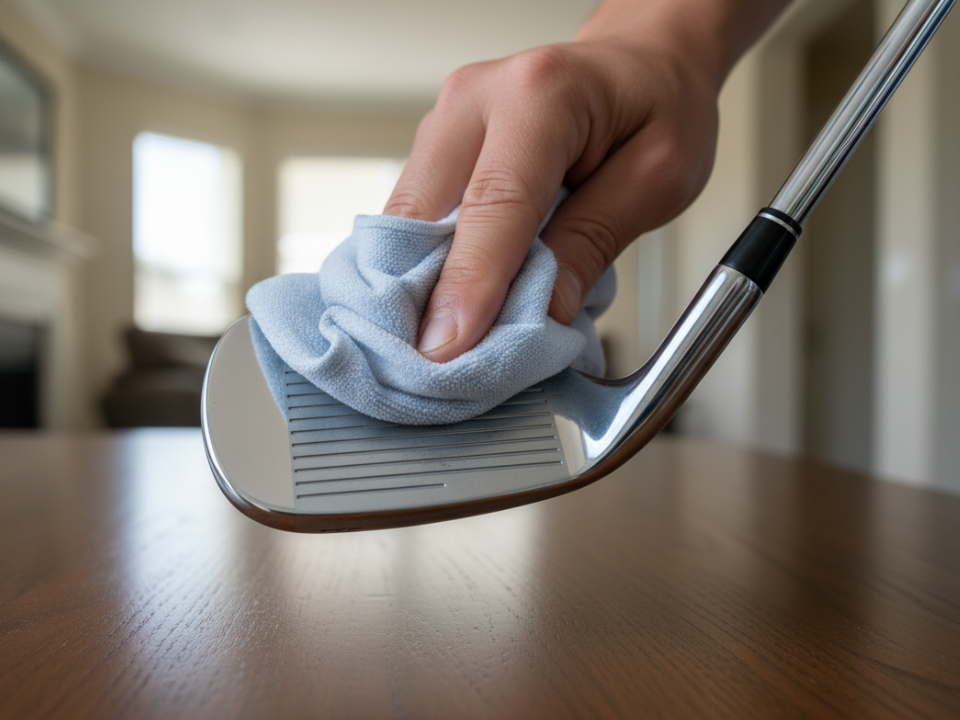
Protecting your club heads is crucial. Wrap each club head with towels, cloths, or bubble wrap to minimize the risk of scratches or dents. The more protection you add, the better.
Step 3: Place Clubs Upside Down
Placing your clubs upside down in the bag can help protect the most vulnerable parts of your clubs—the club heads. The shafts of clubs are typically more durable, and placing the heads at the bottom can minimize the risk of damage.
Step 4: Fill Empty Spaces
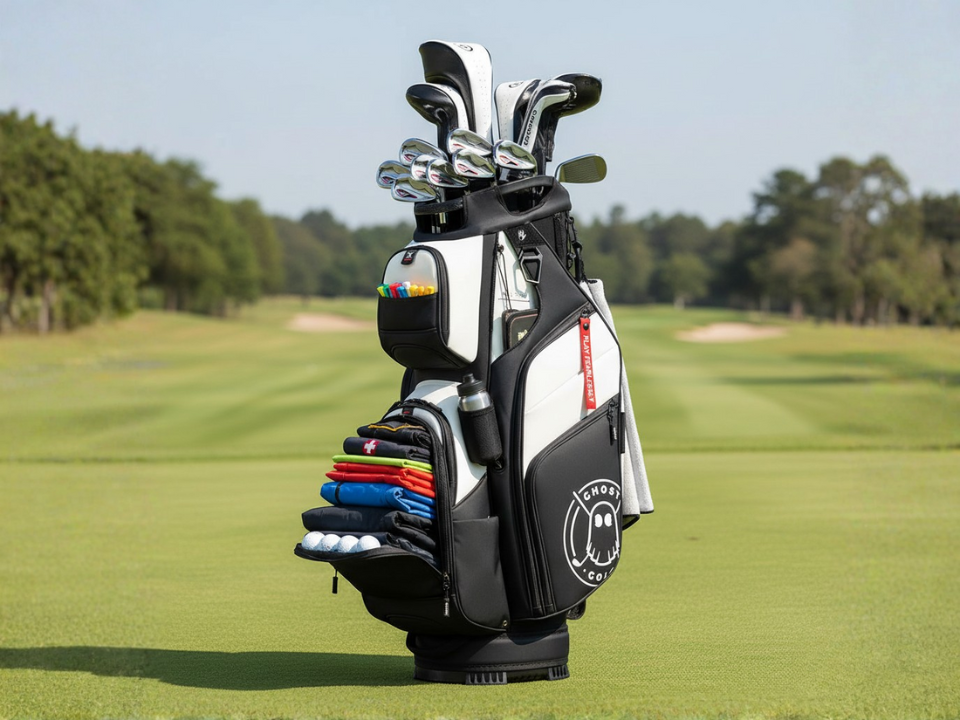
Make sure to fill any empty space inside the bag with clothes, shoes, or additional towels. This prevents your clubs from moving around in the bag, reducing the risk of damage during transport. You can also use the space to pack other items, like golf shoes or a pair of socks.
Step 5: Use Dividers and Additional Padding
If your golf bag doesn’t already have dividers, consider purchasing one that does. Dividers will help keep your clubs separated and prevent them from banging into each other during transit. You can further protect your clubs by adding extra cushioning, such as beach towels, around the heads.
Step 6: Consider a Stiff Arm
A Stiff Arm is an extendable device that fits inside your bag and prevents the bag from folding during travel. This device is especially helpful for larger drivers or fairway woods, which can get damaged easily. The Stiff Arm will help protect your clubs from the force of baggage handlers.
Comparing Golf Club Fees Across Airlines
Now that we’ve covered the packing essentials, let’s talk about the cost to fly with golf clubs across different airlines. Fees can vary significantly depending on the airline, bag weight, and your flight destination. Here’s a breakdown of some popular airlines:
- Delta Airlines: $30 for golf bags under 50 pounds. Bags over 50 pounds incur additional charges.
- American Airlines: $30 for golf bags up to 50 pounds. Additional fees will be charged for bags weighing more than 50 pounds.
- United Airlines: Golf bags are considered part of your checked luggage allowance, so you won’t pay extra for them unless you exceed your allowance.
- Southwest Airlines: They allow you to check your golf bag for free, which makes Southwest a great choice for golfers looking to avoid extra fees.
It’s wise to check with your airline prior to booking to make sure you’re getting the most competitive price. Also, airlines’ policies can vary for international flights, so be sure to confirm the specific rules for your destination.
Renting Golf Equipment at Your Travel Destination
If you’re worried about how to fly with golf clubs and the hassle of carrying them, renting golf clubs at your destination could be a great solution. Many resorts and golf courses offer rental options that allow you to avoid all the travel logistics. Additionally, you can sample the latest models without committing to purchasing.
Renting golf gear at your destination is a highly convenient option. Instead of hauling your clubs through the airport and worrying about damage, you can have your clubs delivered straight to your hotel or course. Companies like Club Lender and VIP Golf Services provide this service, so you don’t have to worry about lugging your gear through the airport.
Shipping Golf Clubs: A Convenient Alternative
Shipping your golf clubs ahead of time is another fantastic option for those who want to skip the airport hassles altogether. Companies like Ship Sticks and FedEx allow you to ship your golf clubs directly to your destination. The beauty of this method? You can avoid the risk of baggage handlers throwing your clubs around and eliminate the need for checking your clubs in at the airport.
When shipping your clubs, you can schedule delivery 1 to 2 days before your arrival to ensure that your equipment arrives on time. Not only does this method give you peace of mind, but it also saves you from overweight fees and the risk of your bag being delayed or damaged during transit.
Understanding the Insurance Options for Your Golf Equipment
When flying with golf clubs, it’s important to understand the insurance options available for your equipment. If you’re carrying expensive gear, consider getting additional coverage for your clubs through your airline, travel insurance, or a specialized insurer.
Most airlines provide basic coverage for lost or damaged luggage, but it’s usually limited. If your clubs are worth more than $1,000, it might be worth considering extra coverage to ensure you’re adequately protected. You can also purchase insurance from third-party providers, which often offer more extensive coverage options specifically for sports equipment.
What to Do If Your Golf Clubs Are Lost or Delayed During Travel
If your golf clubs are lost or delayed, don’t panic. The first step is to report the issue to the airline staff right away, and make sure to note your claim number and customer support contact details.
In some situations, airlines may provide compensation or reimburse the cost of renting replacement gear if your clubs are delayed. It’s always a good idea to keep a backup plan in place—whether that means renting clubs at your destination or having a few essentials (like tees or balls) on hand in case of delays.
How to Protect Your Golf Clubs from Potential Delays or Losses
To avoid losing your golf clubs, consider taking the following steps:
- Pack your clubs in a hard-shell travel case for maximum protection.
- Use a Stiff Arm to keep your bag from folding and avoid potential damage.
- Purchase additional insurance for your clubs to cover potential loss or damage.
Taking these steps will help protect your clubs from damage or loss, making your trip more enjoyable and hassle-free.
Tips for Smoothly Navigating Airport Security with Golf Equipment
Navigating airport security with golf gear can be challenging, but these tips will help you prepare:
- Arrive ahead of time to allow for check-in and security clearance.
- Pack your golf clubs in a sturdy, hard-shell case to protect them.
- Double-check that your golf bag follows the airline’s size guidelines to avoid any unexpected fees.
- Keep a copy of your reservation and baggage fees handy in case of issues at check-in.
With these strategies, you’ll be ready to take on the airport like a pro.
Conclusion: How I Plan to Fly with My Golf Clubs in the Future
Flying with golf clubs can be easy if you follow the right steps. Whether I’m packing my own clubs or opting for a rental, I’ve learned that planning ahead and knowing the rules for how to fly with golf clubs makes all the difference. In the future, I’ll make sure to check airline policies, pack my clubs securely, and consider shipping them to avoid the hassle altogether.
The key is to choose the method that works best for you, whether that’s bringing your clubs along, renting, or shipping them ahead. No matter your method of transporting your golf gear, proper planning makes all the difference for a stress-free experience.
Frequently Asked Questions
What Should I Do If My Golf Clubs Are Damaged During the Flight?
If your golf clubs are damaged, report the issue to the airline immediately and take photos of the damage. Airlines often cover repairs when clubs are in a hard-shell case.
Do I Need to Declare High-Value Golf Clubs at Customs?
If your golf clubs are valued over $800, you’ll need to declare them at customs; otherwise, they are considered personal items.
Are There Any Size Limits for Golf Travel Bags on Planes?
Yes, most airlines have a size limit of 62 inches for golf bags, combining height, width, and depth, but check with your airline for specific guidelines.
Is It Better to Ship My Golf Travel Bag Rather Than Fly with My Clubs?
Shipping your golf clubs can save you from airport hassles and potential damage. However, it requires planning ahead. If you’re traveling internationally, shipping might be a better option to avoid extra fees.
If you have any questions about golf clubs, the Embers Golf team is here to assist you. Contact us at 303-800-5659 or email info@embersgolf.com, and our expert staff will provide personalized recommendations. Don’t forget to check out our blog for expert advice, gear suggestions, and valuable insights into golf accessories.